


Nashik | January 27, 2026
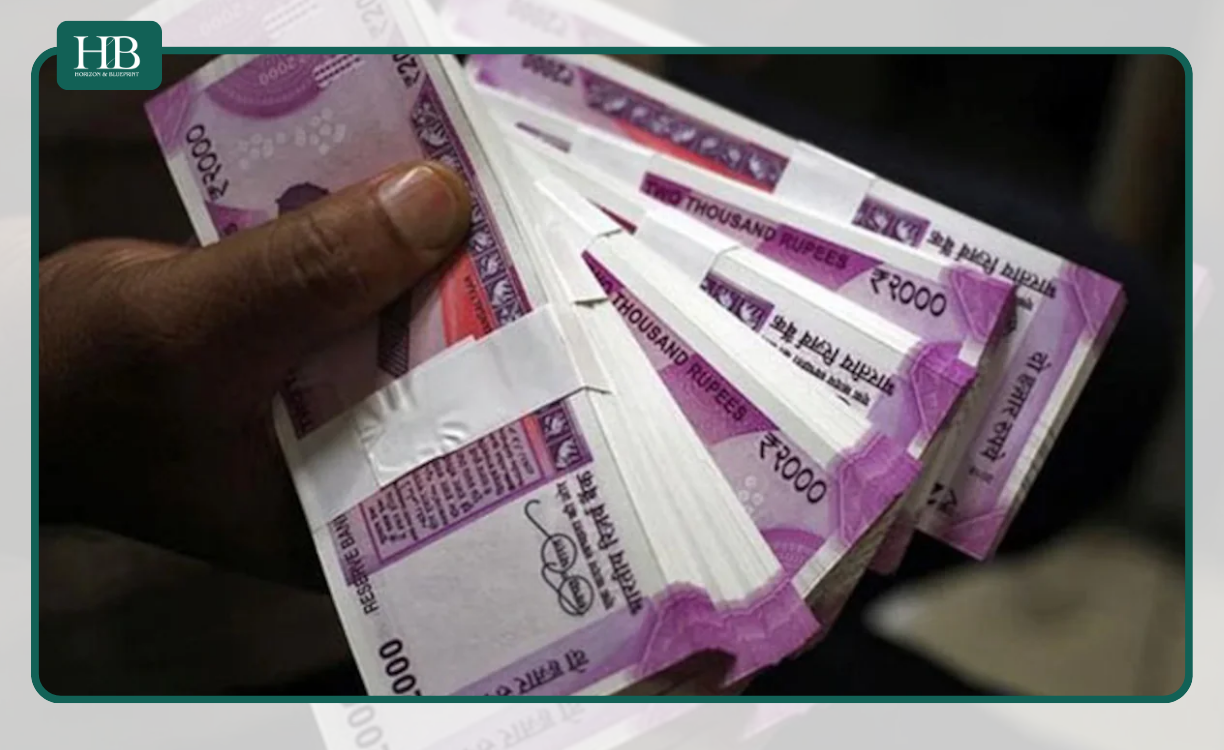
Years after demonetisation, when ₹2,000 notes were officially withdrawn from circulation and ordinary citizens were forced to comply with strict banking rules, a shocking case has surfaced that has rattled the system. Currency notes worth a staggering ₹400 crore, officially declared invalid, were allegedly being transported across states inside a container. What initially appeared to be a simple container theft has now unfolded into a massive hawala racket with alleged political, financial, and religious links.
The case came to light after a container loaded with demonetised ₹2,000 notes was looted in Karnataka. During the initial investigation, agencies treated it as a routine robbery. However, the situation took a dramatic turn when the looters demanded ransom directly from the alleged owner of the money. This revelation opened a trail that stretched from Karnataka to Nashik, Thane, Mumbai, and even reached a prominent religious institution.
On October 22, 2025, a resident of Ghoti in Nashik, Sandeep Patil, released a video claiming he had been kidnapped and had no connection with the ₹400 crore container loot. Subsequent investigation confirmed that Patil had indeed been abducted and his name was forcibly used to facilitate ransom demands. This development raised serious suspicions among investigators that the crime was part of a well-planned hawala operation rather than an isolated incident.
As the probe progressed, investigators suspected that the money belonged to a Thane-based builder and was intended to be converted into white money through hawala channels. According to police sources, the demonetised notes were allegedly being routed through Karnataka and planned to be donated to a well-known religious trust, using legal loopholes and tax exemptions associated with religious donations. Had the plan succeeded, it would have completely undermined the objective of demonetisation and caused serious damage to the country’s financial system.
The investigation has also taken a political turn, with suspicion mounting over the involvement of a senior political leader from Mumbai. Call records, financial transactions, and intermediary links have reportedly surfaced, shifting the focus of the probe toward political protection provided to the network.
Considering the seriousness of the case, a Special Investigation Team (SIT) led by Additional Superintendent of Police Aditya Mirkhelkar was formed. The SIT has reportedly uncovered strong evidence related to hawala transactions, interstate money movement, forged documents, and the involvement of multiple middlemen. Sources indicate that the investigation has now reached its final stage and major arrests, along with significant political fallout, are expected soon.
This case has raised uncomfortable questions across the country. People are asking whether demonetisation was meant only for ordinary citizens, how ₹400 crore worth of banned notes remained hidden for so long, and whether religious institutions are being misused to legitimise black money. What began as a container loot has now turned into a serious allegation against the system itself. As the nation waits for the SIT’s final report, the real impact of this case is yet to unfold.

