


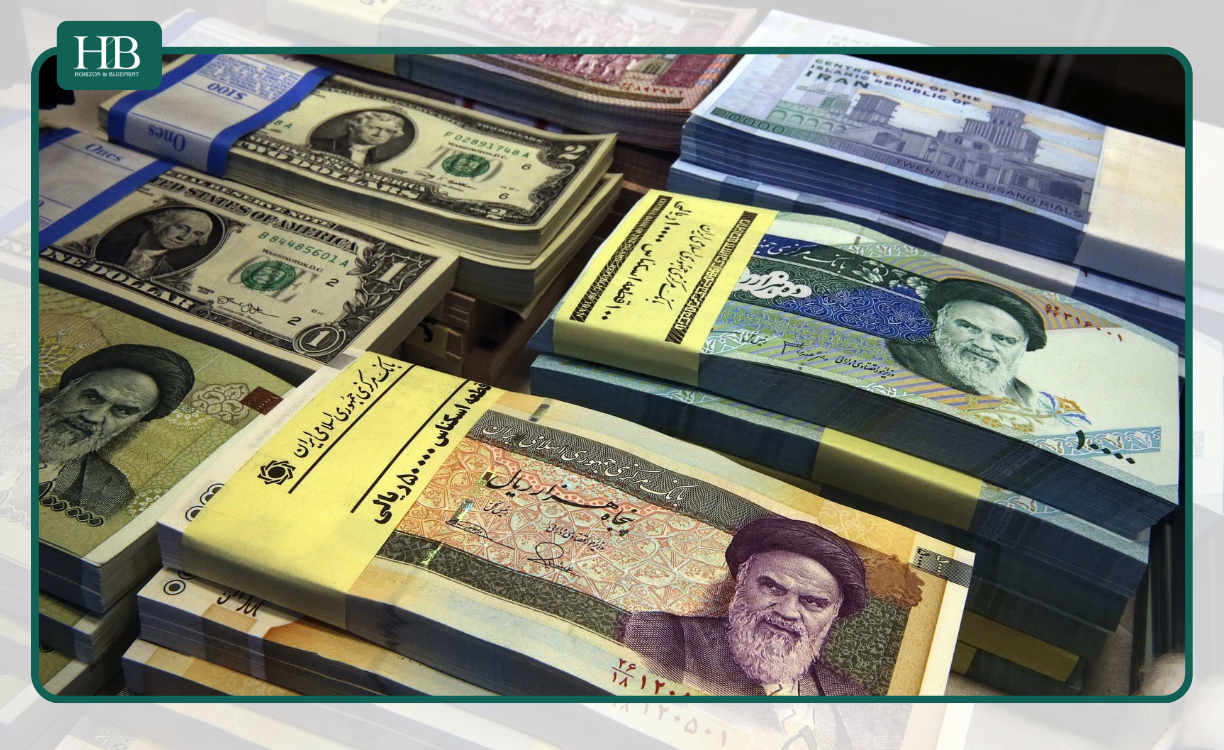
Iran’s ongoing economic crisis has worsened as the Iranian rial hit a new record low against the US dollar. This decline puts more stress on households and businesses throughout the country. In open markets, the currency fell to over 1.4 million rials per dollar, highlighting Iran’s ongoing financial difficulties.
This rapid drop in value has significantly reduced the purchasing power of everyday people. Prices for essential goods like food, fuel, and medicine have skyrocketed, while wages and savings continue to lose their value. Many families are cutting back on basic needs as daily expenses become unaffordable. Small traders and shopkeepers report a decline in consumer demand and uncertainty, which is hurting sales and adding to economic distress.
Economists trace the rial’s collapse to a mix of long-term international sanctions, limited access to foreign currency reserves, weak investor confidence, and poor policy decisions. Low oil revenues, isolation from banking networks, and difficulties in stabilizing monetary policy have further stressed the economy. Currency traders have observed increased volatility and panic buying of dollars as people try to protect their savings.
This latest decline has sparked public frustration, with reports of protests emerging in several cities. Citizens are calling for quick action from authorities to stabilize the currency and control inflation. Although the government has previously announced measures to manage exchange rates, analysts caution that without necessary reforms and better access to global markets, short-term fixes may not provide much help.
As the rial continues to fall, the crisis reveals the growing economic and social pressures on Iran, raising worries about long-term stability if trust in the currency is not restored.

