


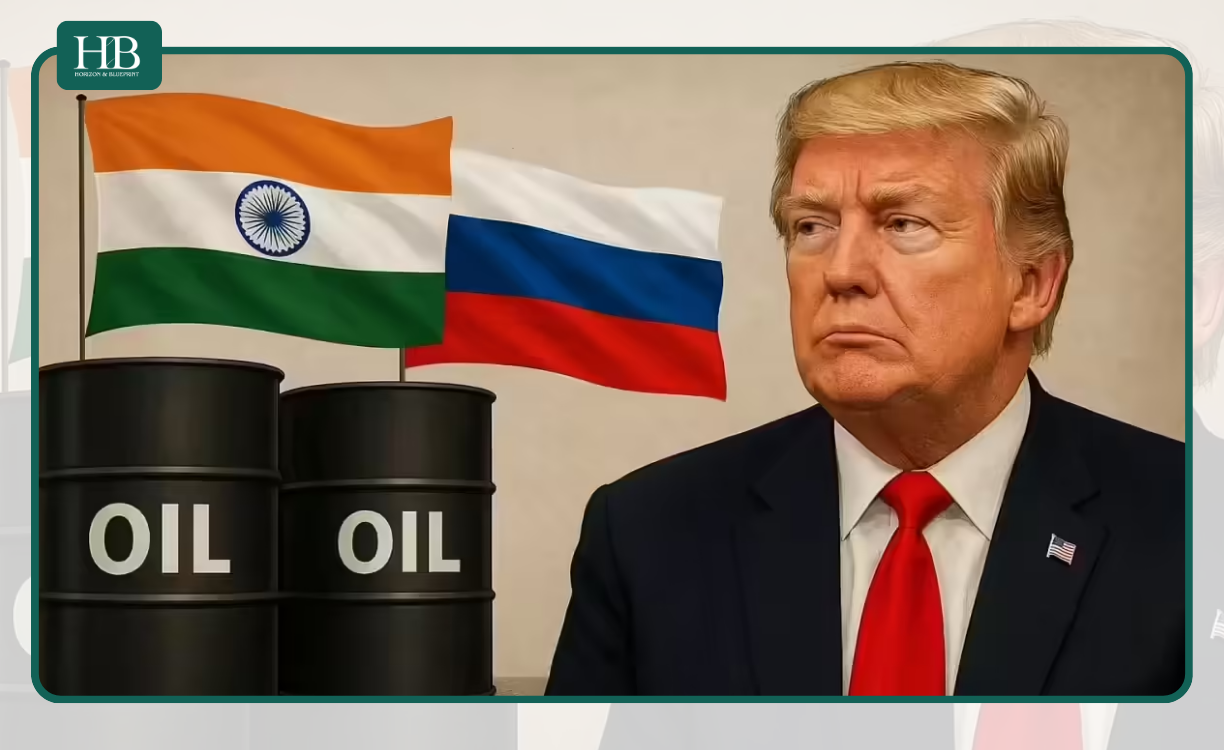
The United States has taken a significant step to increase economic pressure on Russia. President Donald Trump approved a bipartisan sanctions bill that could affect several global economies, including India. The proposed legislation, called the Sanctioning Russia Act of 2025, allows Washington to impose tariffs of up to 500 percent on countries that continue to buy Russian oil. This move aims to reduce Moscow’s revenue during the ongoing war in Ukraine.
Trump endorsed the bill after what was called a “productive” meeting with Republican Senator Lindsey Graham, one of the key backers of the legislation. Graham highlighted that the bill would give the United States “tremendous leverage” to discourage countries from trading energy with Russia. He argued that oil revenue is a vital lifeline for the Russian war effort.
India, along with China and Brazil, is among the countries most affected by this proposed measure. Since 2022, India has significantly increased imports of discounted Russian crude to manage domestic fuel costs and inflation. However, this strategy has attracted scrutiny from Western partners. In 2025, U.S. tariffs on certain Indian exports were doubled, straining trade relations.
If the Senate passes the bill, the new sanctions framework could sharply escalate U.S.-India trade tensions and force difficult policy decisions for New Delhi. Analysts warn that such high tariffs would disrupt global energy markets, supply chains, and trade flows, while also challenging the balance between strategic partnerships and economic interests.
The bill is now set for debate and voting in the U.S. Senate, where it is expected to spark intense discussion due to its potential global impact. As the geopolitical landscape becomes more complicated, the outcome could reshape international trade dynamics and energy alliances in the coming months.

